
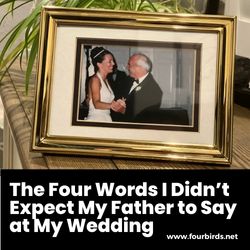
I was excited to reach the end of the red-carpeted aisle, yet it meant leaving a lot behind. As my father gave me away, I expected an “I love you” from him; instead, he whispered, “Don’t be a stranger.” While this wedding day advice surprised me, it turned out to be the words I didn’t know I needed.
Moving to Belgium a few short years later was the perfect opportunity to take his advice. My Neunreiter ancestors had settled in St. Louis more than a century ago from Alsace-Lorraine, and few had ever left — finding comfort in the familiarity the French-founded city offered. I, too, craved predictability, and relocating overseas offered none.
Stepping foot on foreign ground required a choice: mourn the loss of the familiar or embrace a once-in-a-lifetime opportunity. I chose to let curiosity be stronger than fear. I went to markets, inhaling the scent of tulips and waffles. I stood baffled when the only thing required at an ER visit was my contact information scribbled on a paper towel. I admired the brilliance and convenience of boxed milk. While embracing this life meant no longer being a stranger in my new country, I worried my absence would make me one to those back home. And with my children young and changing fast, I didn’t want them to become strangers, either.
So with social media barely a twinkle in Mark Zuckerberg’s eye, I started blogging regularly about the minutiae of expat life. I documented how life had changed, how I’d floundered, and how I’d grown. Yet I didn’t realize how much I’d grown until I made a return visit to Brussels five years later, confidently navigated the terrain that had once been so unfamiliar, and was greeted by our waffle vendor as if I’d never left. Finally, I was no longer a stranger.
Although I was secretly fond of the opportunity to subtly reinvent myself with each move, returning to the United States, and subsequently relocating from Virginia to Texas, was challenging. I didn’t listen to country music or eat crawfish, and “y’all” didn’t roll off my tongue. I struggled with how to fit in. Yet this, too, couldn’t be unfamiliar forever. I summoned my inner extrovert and pitched my writing services to local magazines. They bit. I reveled in spending hours with neighbors, learning how they’d built an airplane at 18 or beat cancer at 60. I toured local businesses, hearing stories about starting wineries and producing movies. I went from not knowing anything about my new home to knowing the most obscure of details. But it wasn’t the knowing that mattered. It was the sharing. Learning. Connecting.
Still, I was so busy trying not to be a stranger to people and places that I became one to myself. I’d transformed from “Julia” into “Mia’s mom” and “Jack’s mom” (wonderful titles, for sure) — but who else was I? I wanted to find out. A chance conversation with a neighbor nudged me in a new direction: I’d help students improve their writing. But it became more than that. This quiet stranger loved developing relationships with other strangers. Finding out what they enjoyed and what they didn’t. What made them light up and shut down.
I’ve learned more about myself than I expected to. I’m more inquisitive than I thought. More insightful, too. From them, I’ve also learned more about what I don’t know. About mental health. About social injustices. About the young people working to transform the world and right the wrongs. I started this journey as a stranger — to me and to them. But every day, I’m making sure that changes.
Nearly 20 years later, my father’s words remain clear, and I’ve taken them to heart. I’m never a stranger. To my family. To those who count on me. Even to those I haven’t met yet. Instead, I take on the novel, making it familiar — and mine.

 Four Birds